
Birdwatching Is Having a Moment - And We Need to Talk About It

Something is shifting.
The numbers tell the story: Nearly 100 million Americans now watch birds—more than double the number from just eight years ago. The Merlin Bird ID app has seen a 500% increase in users since 2020. Birders in the United States now spend over $107 billion annually. The average age of birders has dropped from 49 to 47, with young people ages 16 to 34 joining in unprecedented numbers.
But it’s more than just statistics.
The Listers movie—a documentary about birding—has 1.6 million views on YouTube. The Buffalo Bills NFL team posts videos of their players discussing birding to their 2.3 million followers. On TikTok, young women are making birding content go viral, with videos tagged #hotgirlswhobirdwatch racking up millions of views. LGBTQ communities are organizing birding walks as spaces of belonging and connection.
This isn’t a coincidence. This is a cultural awakening.
Robins, Blue Jays, and Chickadees are bathing in the mainstream. People are ready for something real. They’re tired of screens, hungry for connection, and they’re looking for a way back to themselves. They’re discovering what we already know: birds are the answer.
This moment won’t last forever. Cultural windows open and close. Right now, people are curious. They’re leaning in. And what we say about birdwatching at this moment matters. How we describe it shapes how people think about it, how they experience it, and whether they stay.
If everyone who reads this essay talks about birdwatching differently, we can help shift the narrative. We can help people understand what birdwatching actually is: a portal to presence, not just a pastime.
For decades, the dominant story about birdwatching has created unnecessary barriers: It’s a hobby for retirees, something you do when you have time to kill; it requires expertise—you must know Latin names and how to identify birds; it’s about the list and the count; it’s solitary and governed by strict, unspoken rules. This narrow, outdated narrative has kept millions away. They think they’re not qualified; they think it’s not for them.
Here’s the truth: The reason birdwatching is stereotyped as “for old people” is because our culture is so dysfunctional it takes most people 50 years or more to figure out what makes for a meaningful life. The answer is genuine connection to other people and nature. Birds are how most people can get there fastest. Birdwatching is not a hobby for old people. It’s one of the most important things anyone can do at any age to improve the quality of their life.
At its core, birdwatching is about focusing less on ourselves and more on the wider world that surrounds us. Training our attention on nature allows us to approach the end goal of birdwatching, which is to be fully present in each moment and to appreciate the birds as they are—to close the distance between you and the bird so that you experience the reality of two lives becoming one.
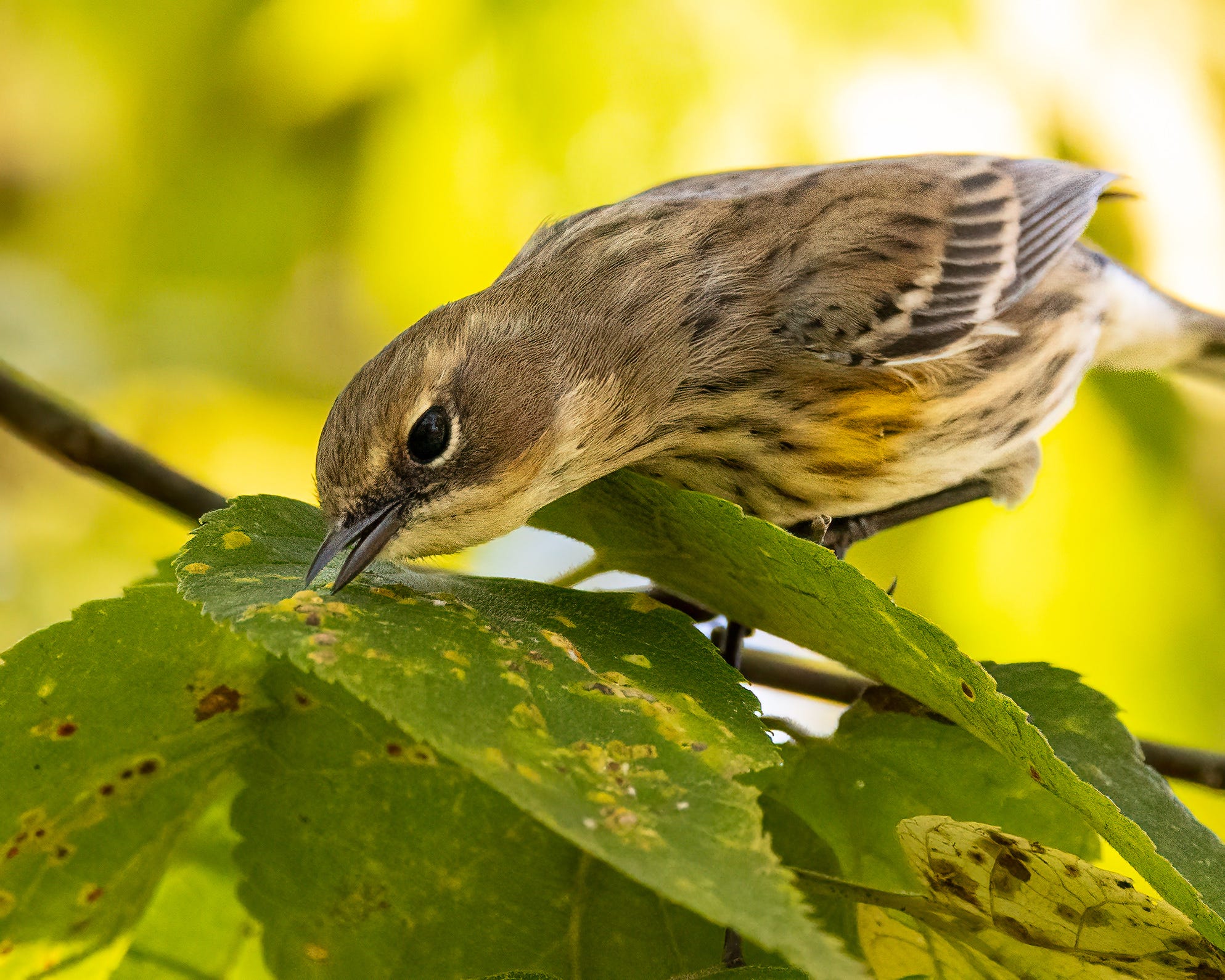
This time of year, merging with a flock of birds is relatively easy. Yellow-rumped Warblers, Kinglets, White-throated Sparrows, and Juncos are the most common birds I see. When I encounter a mixed flock, the first thing I do is pause and tell myself to relax and slow down. I very slowly approach within 15 to 20 yards. This is an important moment, and I intentionally imagine myself as a Buddhist monk. I let go of aggression, desire, and threatening postures, and settle my gaze upon the ground.
The birds are watching my every move. The reason to stand still and appear non-threatening is that they will eventually get used to you and allow you to enter their world. I watch and wait until most birds are occupied with foraging and, while looking away from them, I take one small step in their direction. Each stride is no longer than the length of my shoe. I often zig-zag and approach indirectly, until I am within 10 feet. If I move too quickly, they let me know by moving up and away. If things go well, they act as if I am not there and forage within 3 to 4 feet of me.
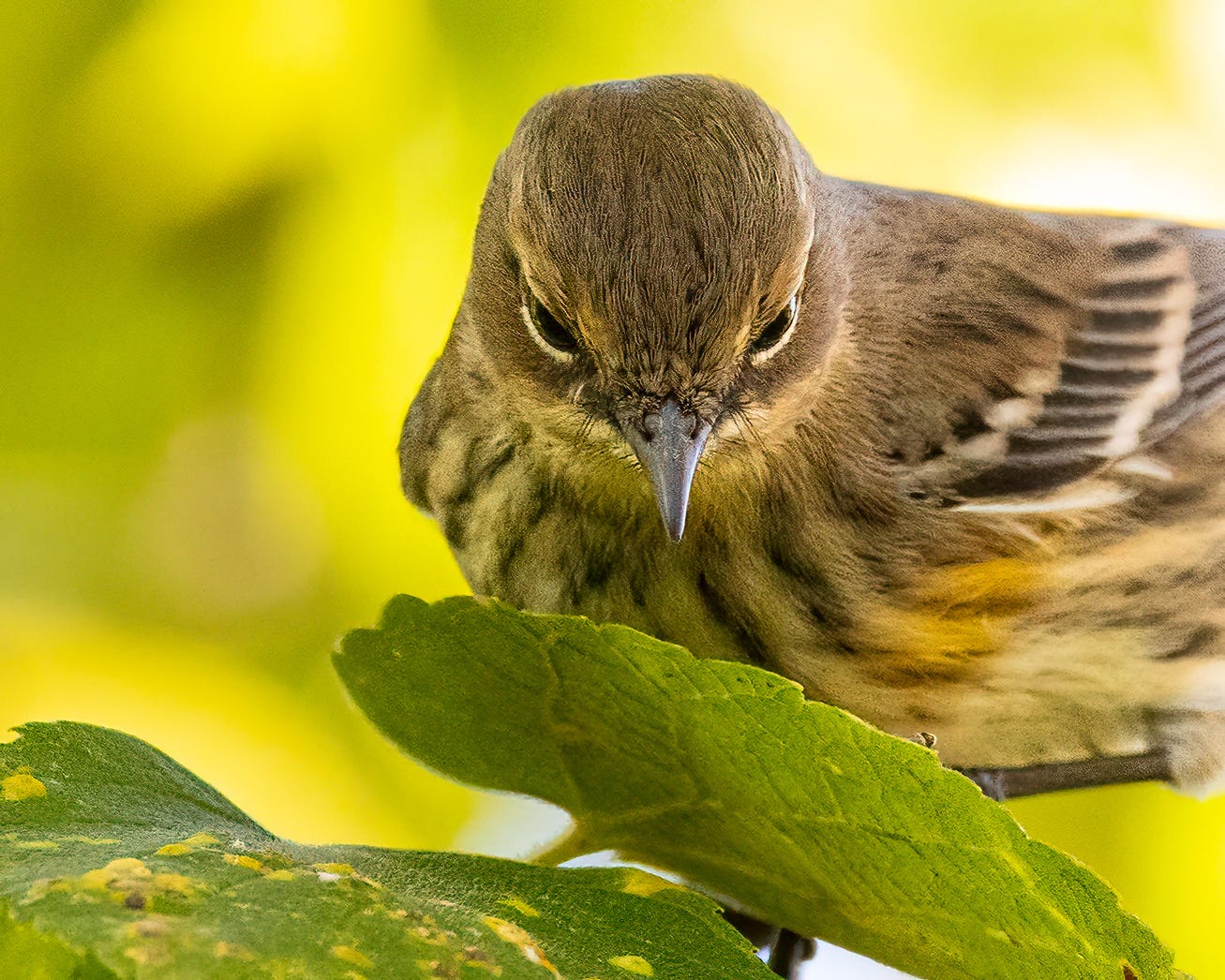
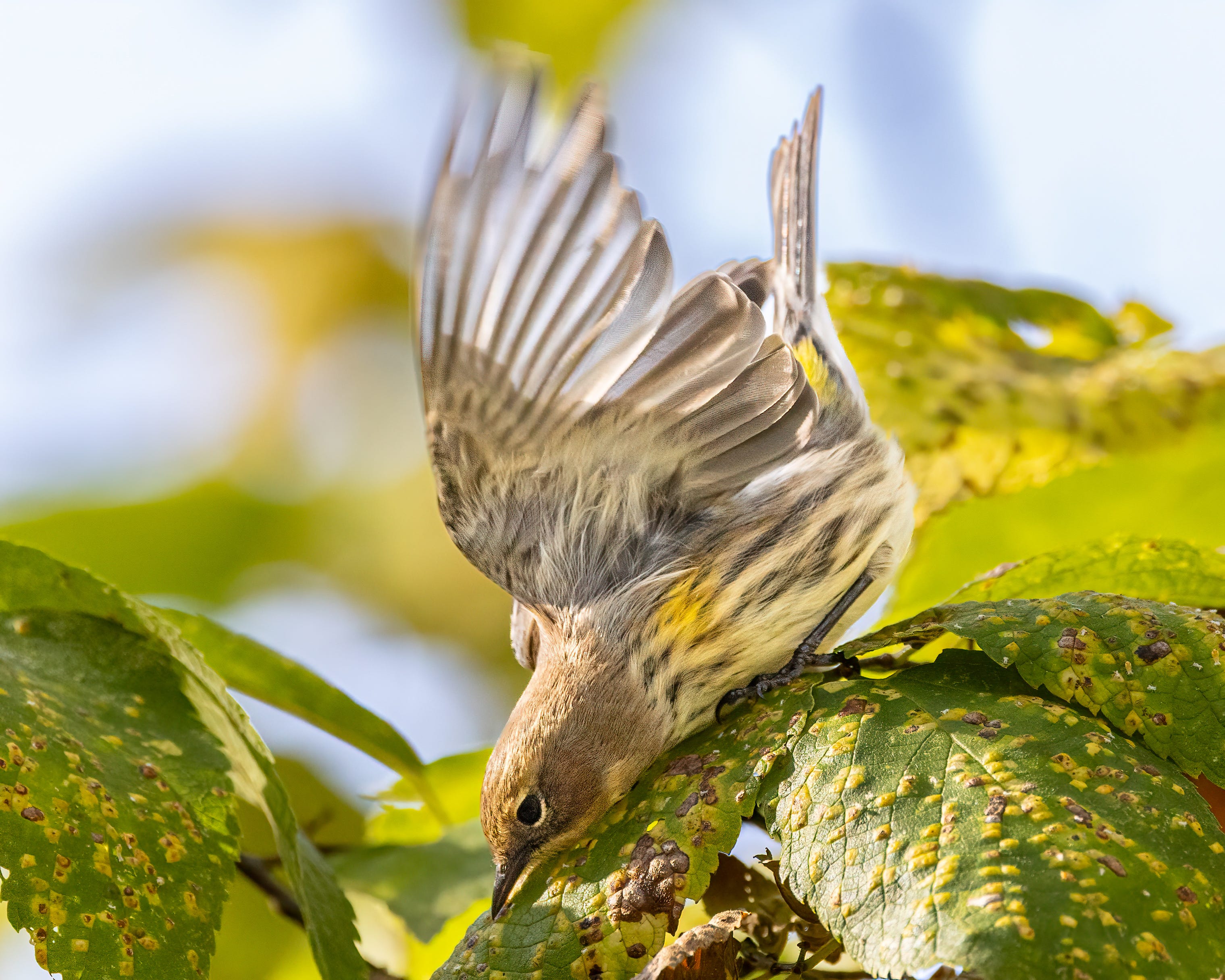
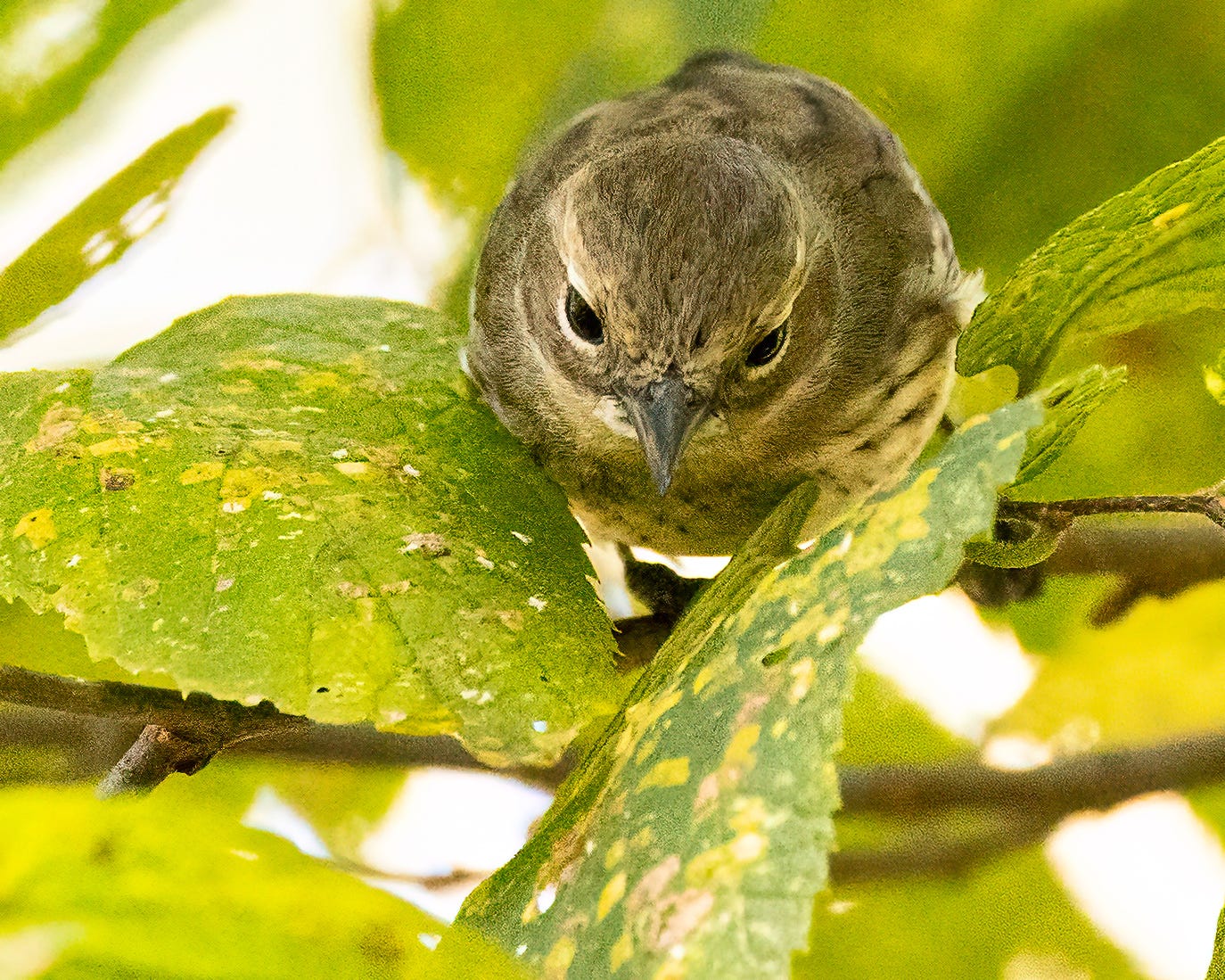
At this distance, I can see how hard they work for their food, hovering, fluttering, darting through the canopy as they pluck tiny insects off Hackberry leaves. A yellow-rumped warbler lands at eye level four feet away. He is scanning for insects, then pauses and shifts his gaze onto me. He twists his head to the side, giving me an inquisitive look like a curious dog. I am being seen.
This bird flew through last night’s darkness, guided by stars, part of a vast river of birds stretching across the continent. He is on a journey that covers thousands of miles, and now he is here— embodied moonlight and stardust, foraging close enough that I can see individual feathers shift in the breeze. For this one moment, our lives intersect. The bird that crossed half a continent and the human who walked half a mile. I can hear the faint click of his bill snapping shut and the whoosh of his wings. His eyes glisten in the mottled light and then, in a flash, he is gone.

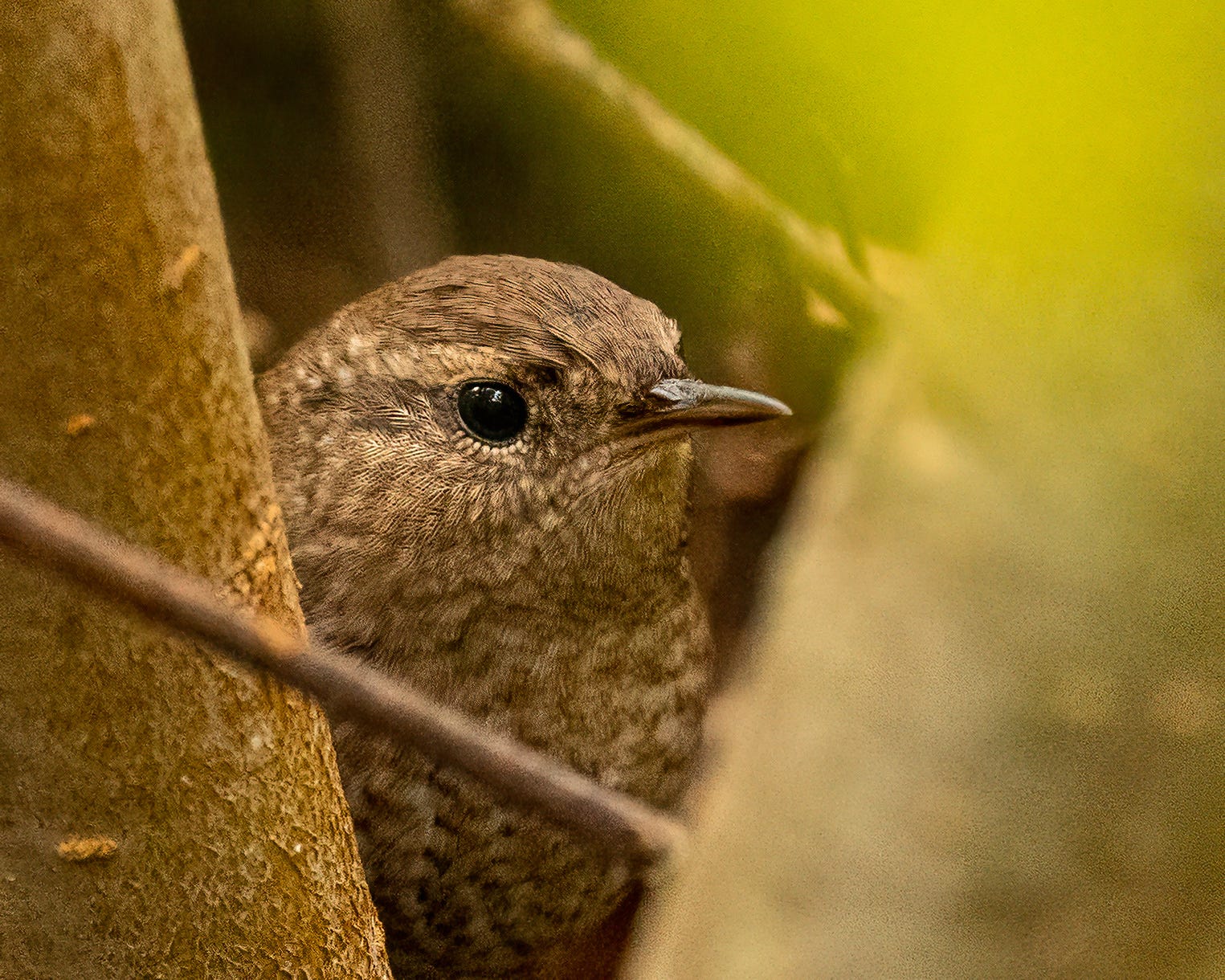
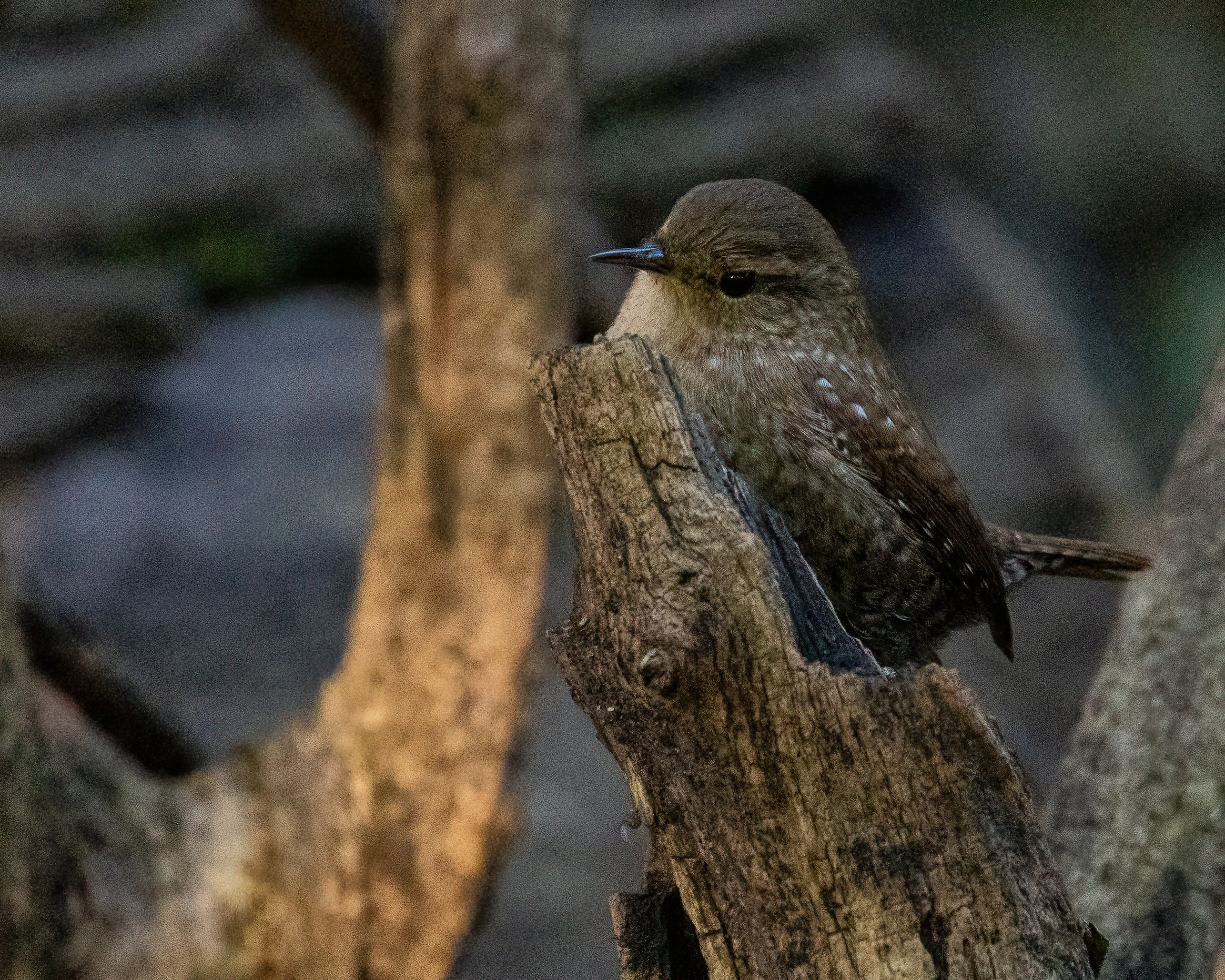
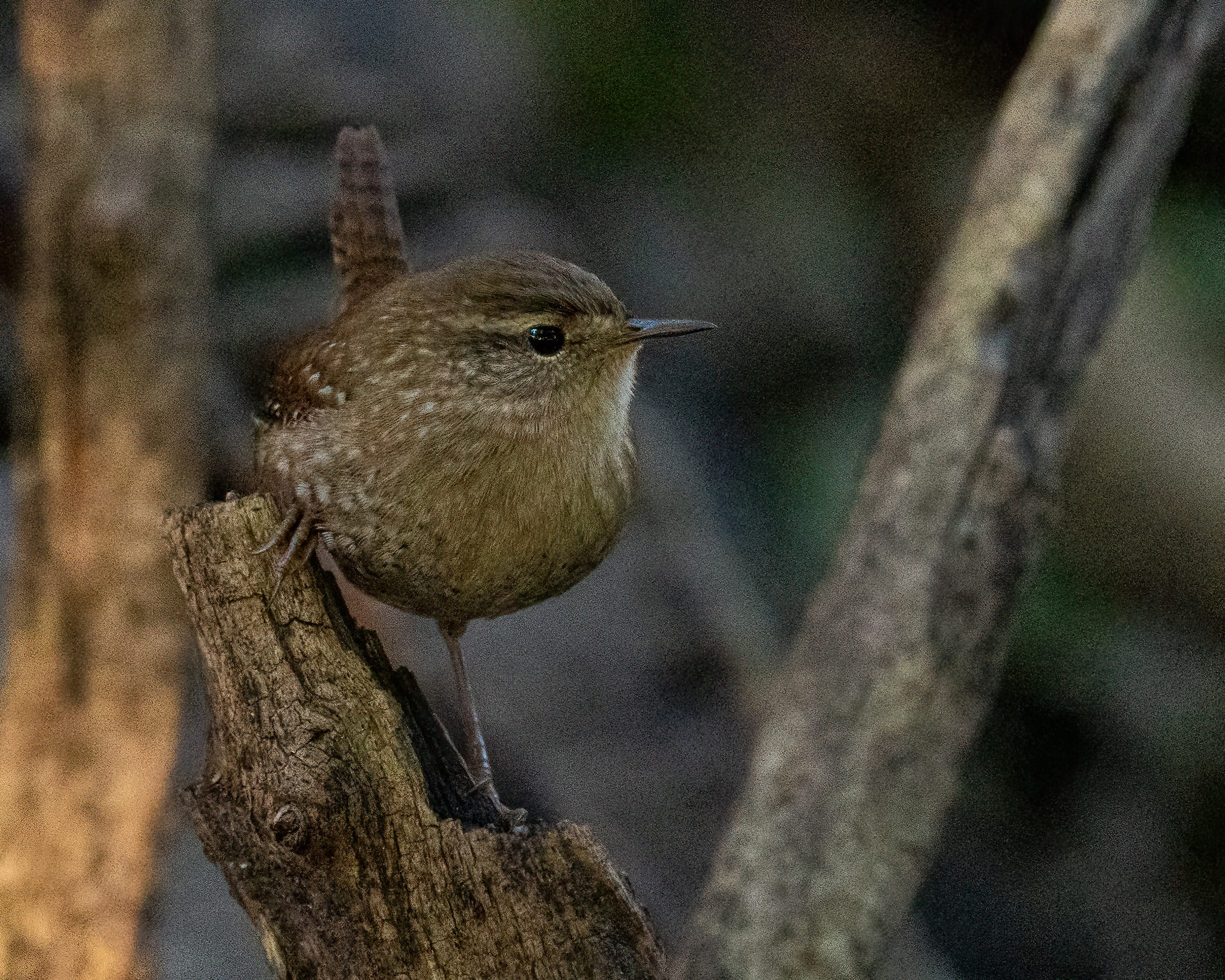
All the while, the flock is communicating through soft contact calls and song fragments. Other birds are attracted to all this activity. I notice a brown flash in the leaf litter and I hear the chu-chu call of a Winter Wren. He comes within six feet and pauses to check me out before vanishing into shadow.
Eventually, the flock moves on, and I look up and see a Turkey Vulture circling overhead. I realize that for the past 10 minutes, I was free from my circling thoughts, from worry, and that I had entered into the lives of birds. This is what I mean by connection. This is the antidote.
This experience is available to everyone, but, in order to invite people into the flock, we need to talk about birds differently. The language we use creates the experience. If we talk about birdwatching as counting and listing, that’s what people will think it is. If we talk about it as a gateway to presence and connection—that’s what people will experience.
When speaking about our experience with birds, instead of saying “I’m into birdwatching,” try, “I watch birds to stay present,” or “Birds help me connect with what’s real.” Instead of describing it as “a relaxing hobby,” say, “It’s how I break free from screens and my own head,” or “It’s the antidote to distraction.” When someone asks what you’re doing, don’t say, “Just looking for birds,” but instead, “Paying attention to what’s alive right now.” When inviting a new person, don’t ask, “Do you want to go birdwatching this weekend?” Try, “I’m going to watch birds tomorrow morning. You’ll see things you’ve never noticed before. Want to come?” Or, instead of, “You should try birding sometime,” try, “Want to experience something that will change your day?” or “Come step into a flock with me.”
The cultural moment is here. People are ready. They’re looking for a way back to what’s real. People don’t need another hobby. They need connection. They need birds.
So, let’s change the way we talk about birdwatching, and welcome a whole new generation into the flock.
Thank you! You express the joy of birding so perfectly here. I've been birding for over 50 years and this is exactly why. Being in nature, listening, looking, learning, takes me out of any tangled angst in my mind and connects me with the beauty and wonder that is right outside my door, where I find clarity and peace. It is my sanity and my joy. When I was 18 and out in the woods with a friend, I saw a flock of chickadees and delightedly pointed them out to her and offered my binoculars so she could see them more closely. She brushed them away and said "Nah, I've seen a million chickadees." I swore to myself right then and there that I would never take chickadees for granted. I kept that promise. The common birds that surround us: I consider robins the patron saint of the American lawn. Have you ever seen house sparrows play with each other in their tiny flocks? And don't even get me started on the iridescent splendor of a starling in the sunlight on a cold winter day. Yes I love to go in search of a rarity, but never tire of my everyday friends outside my door.
Lovely article. I do wish more birdwatchers would think about helping birds in return. Their migration requires forests and marshes, wild spaces for food and rest.