

A small change to the schedule
Starting this month, Easy by Nature will arrive every two weeks instead of every week. Still Friday mornings — that part stays the same.
There are a few reasons. The first is you. A lot of you have told me your inboxes are overflowing.
The second is the writing itself. Three years ago I was just discovering I was a writer, and I poured myself into it. I want to go deeper now — to sit with a subject longer, go back out and look again, let a thought ripen. I’m also developing some new partnerships that will take time to grow, and I’d like to bring you along as they do. Two weeks gives me room for that.
And the third is the book. Many of you have asked about it, and I’ve been trying to finish it in the cracks between weekly essays. This gives it the space it needs. You’ll be the first to know when it’s ready.
Nothing else changes. Same essays, same birds and trees and berries, same me. Just a little more breathing room for all of us.
Thanks for reading. It means more than you know.
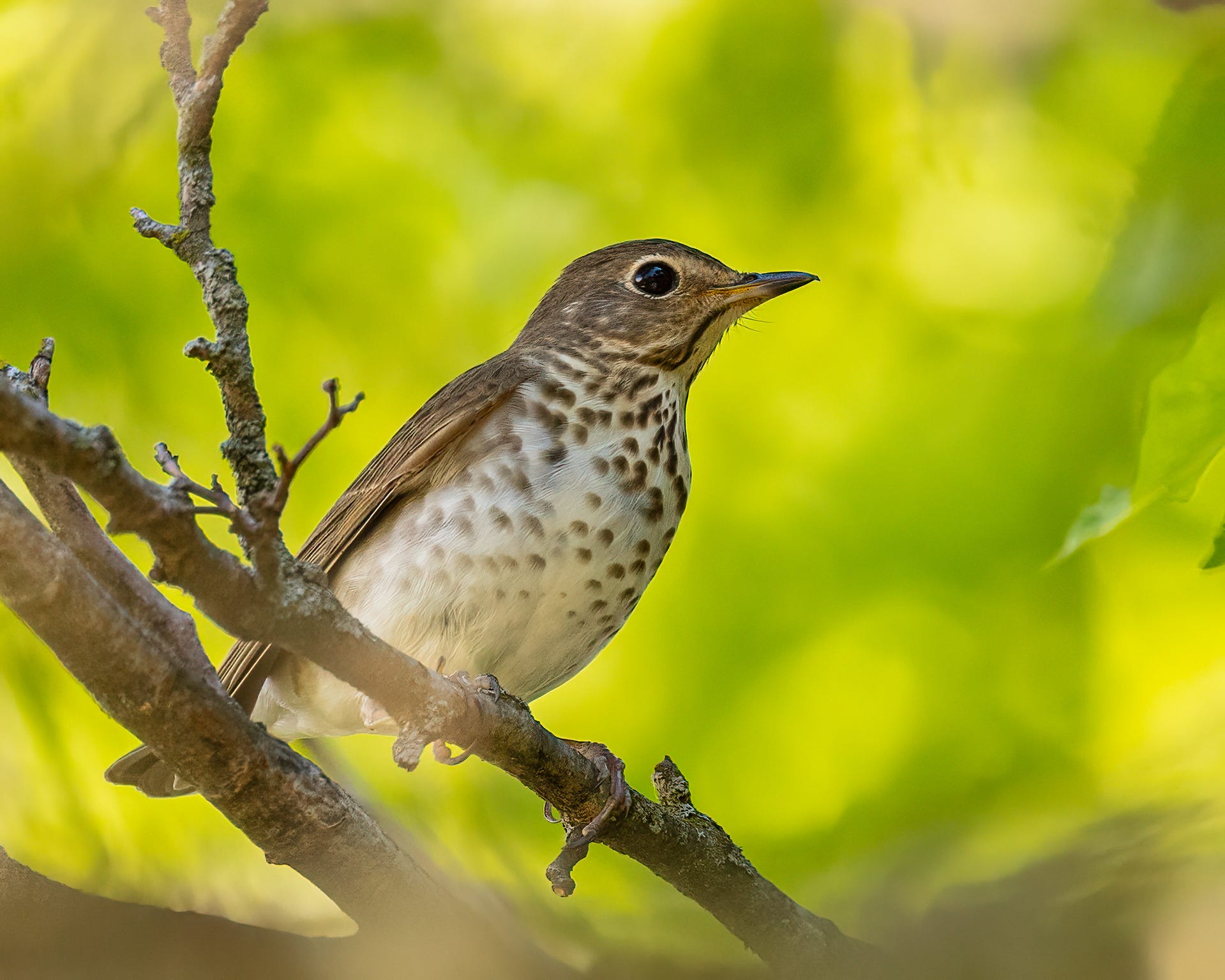
Like the birds, I am attracted to berries this time of year. I seek out Spicebush to be with the birds and eat the berries. Their peppery bite, bright red color, and high fat content deliver serious nutrition. The Spicebush berries in my local park started to ripen two weeks ago and one early morning I sat down in the shrubs and waited. The voice in my head said move, but I sat still. If I am still long enough the birds will come. I see the birds watching me and eyeing the berries. They want to come. They are drawn to me, and I am drawn to them. I look down and close my eyes and become still. I hear fluttering wings and shaking branches as they fly into the upper canopy of the Spicebush and then they descend, hopping and fluttering. I hear berry stems popping and the liquid calls of the Swainson’s Thrush, which are shaped like a drop of water. They glide through the air and splash on me and the soil, water into water.
This year my berry experience did not last long. Warm weather caused Dogwood and Viburnum Shrubs to ripen weeks ahead of schedule, and they are now all gone, just ahead of peak fall migration. Spicebush ripened right at the threshold of peak migration but was eaten in a few days, so most migrants will perch on bare branches, the table has been cleared.
This disconnect presents a challenge for the birds and an opportunity for us.
For Catbirds, Thrushes, Cedar Waxwings, Red-eyed Vireos, and many other birds, fruit is a major part of their fall diet. Some studies have documented that Catbirds and Thrushes eat 90% fruit in the fall. The high fat and antioxidant content of some native berries helps them gain weight, improve their health, and fuel their migration.
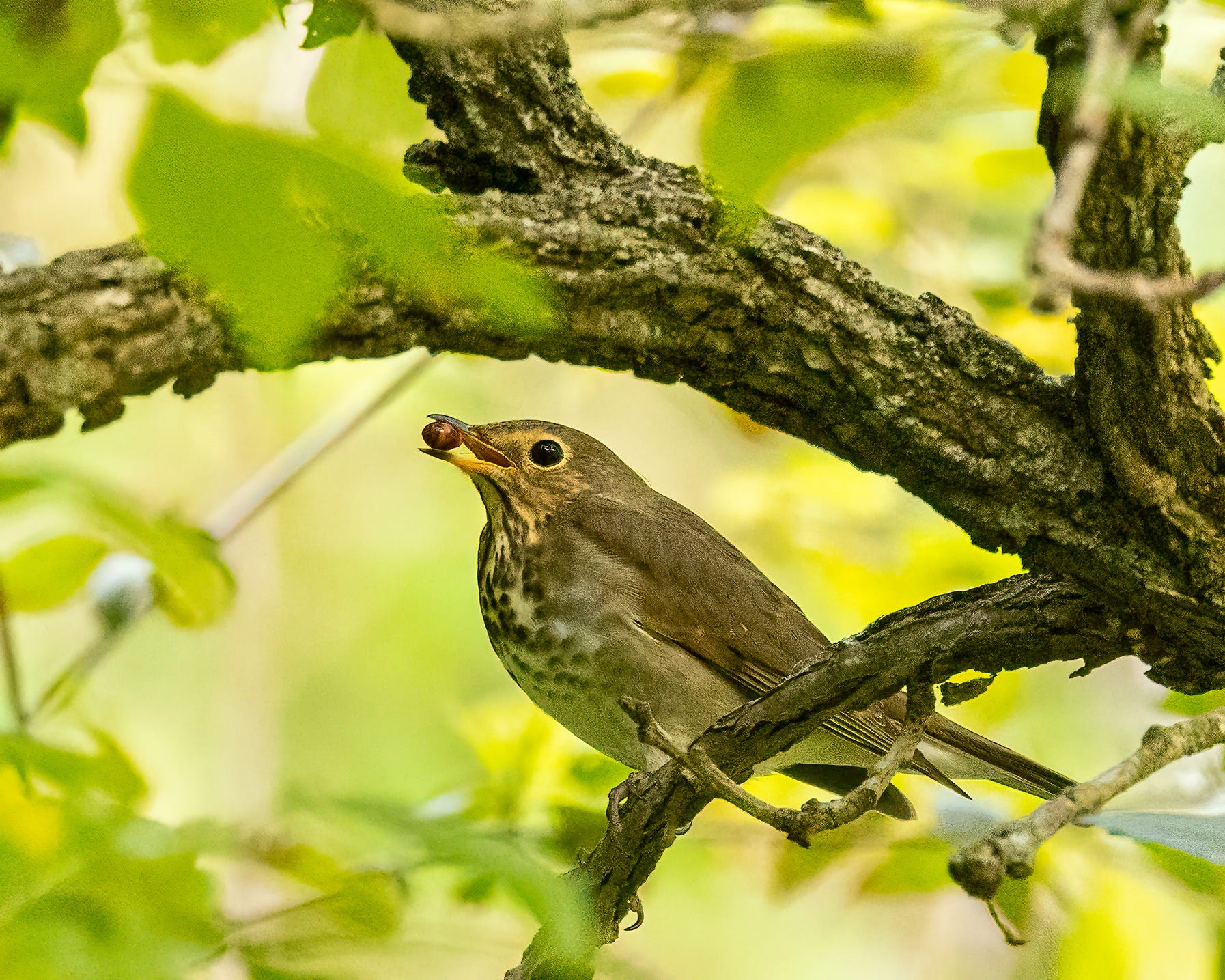
One study conducted in Michigan documented that in areas of native shrubs, where Spicebush was only 25% of the shrubs, the birds were searching it out, and it made up 65% of their diet. Even in areas dominated by exotic shrubs, where Spicebush was scarce, the birds sought it out. This study showed that Catbirds lost weight, had lower immunity, and were more stressed when feeding in areas dominated by exotic shrubs. In contrast, Catbirds feeding in areas with native shrubs held their weight and had better immune function.
Other studies have linked the antioxidants in fruit to quicker escape flights and longer life, though no one has studied how the quality of fall diets impacts the survival and quality of life for Thrushes. Personally, I don’t need to see more data. It is enough to know that eating native fruit quickens their reaction times, strengthens their immune systems, and reduces stress.
I turned down the quiet, narrow, winding path in the woods in my local park hoping to enter the vast mystery of migration. I was expecting to walk under gracefully arching branches laden with bright red berries. I paused in the shadowy understory and looked. The branches were bare. I went to my usual spot and sat down. I knew that an estimated eight million migrants passed over our county last night and many of them were Swainson’s Thrushes. I heard a faint scratching in the leaves and turned my gaze from the Spicebush to the forest floor where Swainson’s Thrushes were busy digging in the soil, searching for food. They need to work harder now to find food that has defensive behavior and compounds. Insects push back, berries want to be eaten. For these birds, at this moment, the ancient cycle of reciprocity between berries and birds is broken.
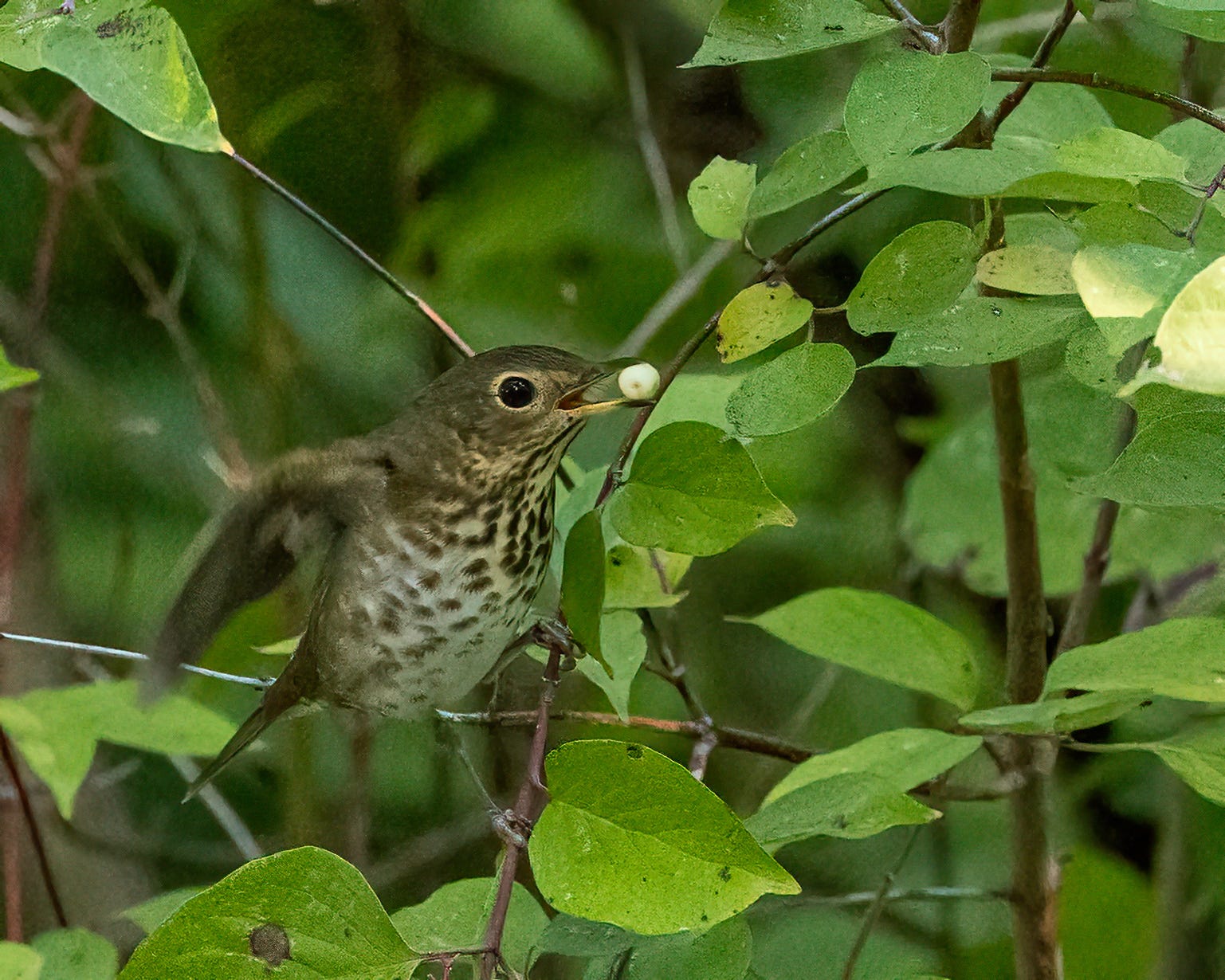
What I am seeing here is that the birds crowd into our small patches of habitat and quickly eat the berries off the shrubs before the peak of fall migration. I suspect that areas with more habitat will hold berries longer, but that the same early ripening dynamic is happening elsewhere. What are you seeing in your area?
Fortunately, we have agency and can help the birds on their journey. One way to do that is to plant shrubs that ripen during peak migration in mid to late September. For the Midwest, these include Spicebush, Virginia Creeper, Sassafras, Flowering Dogwood, Black Gum, Wild Grape, and Pokeweed.
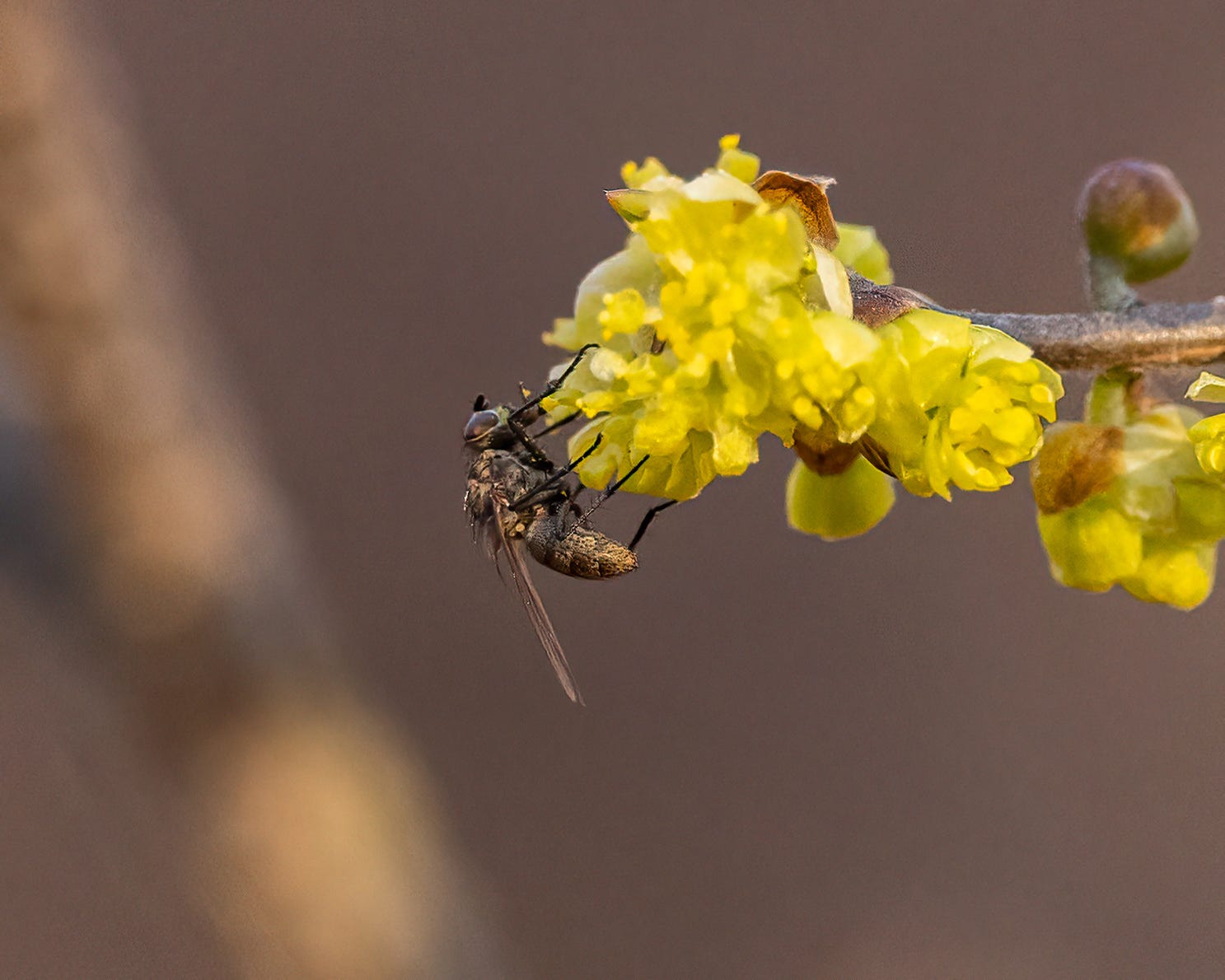
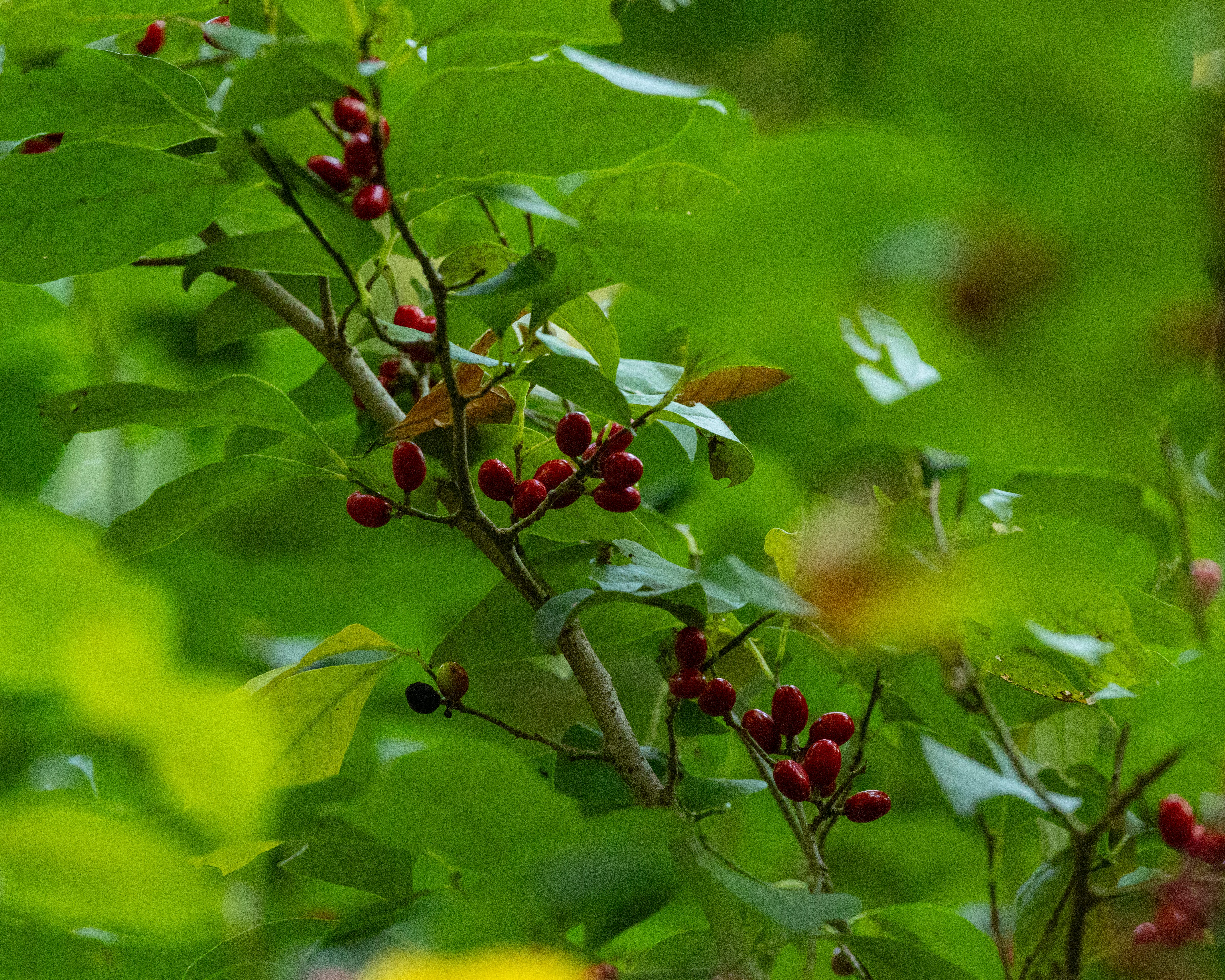
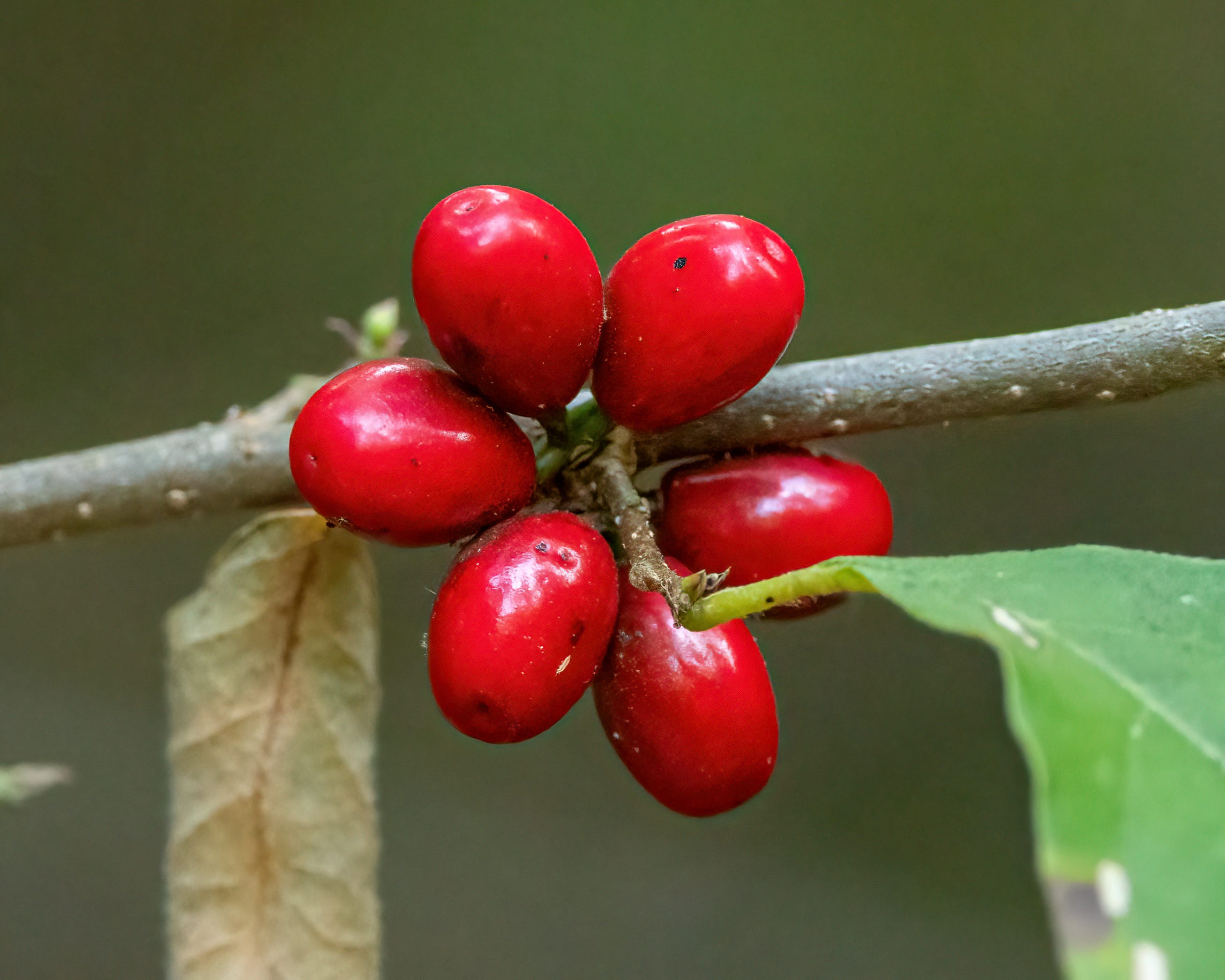
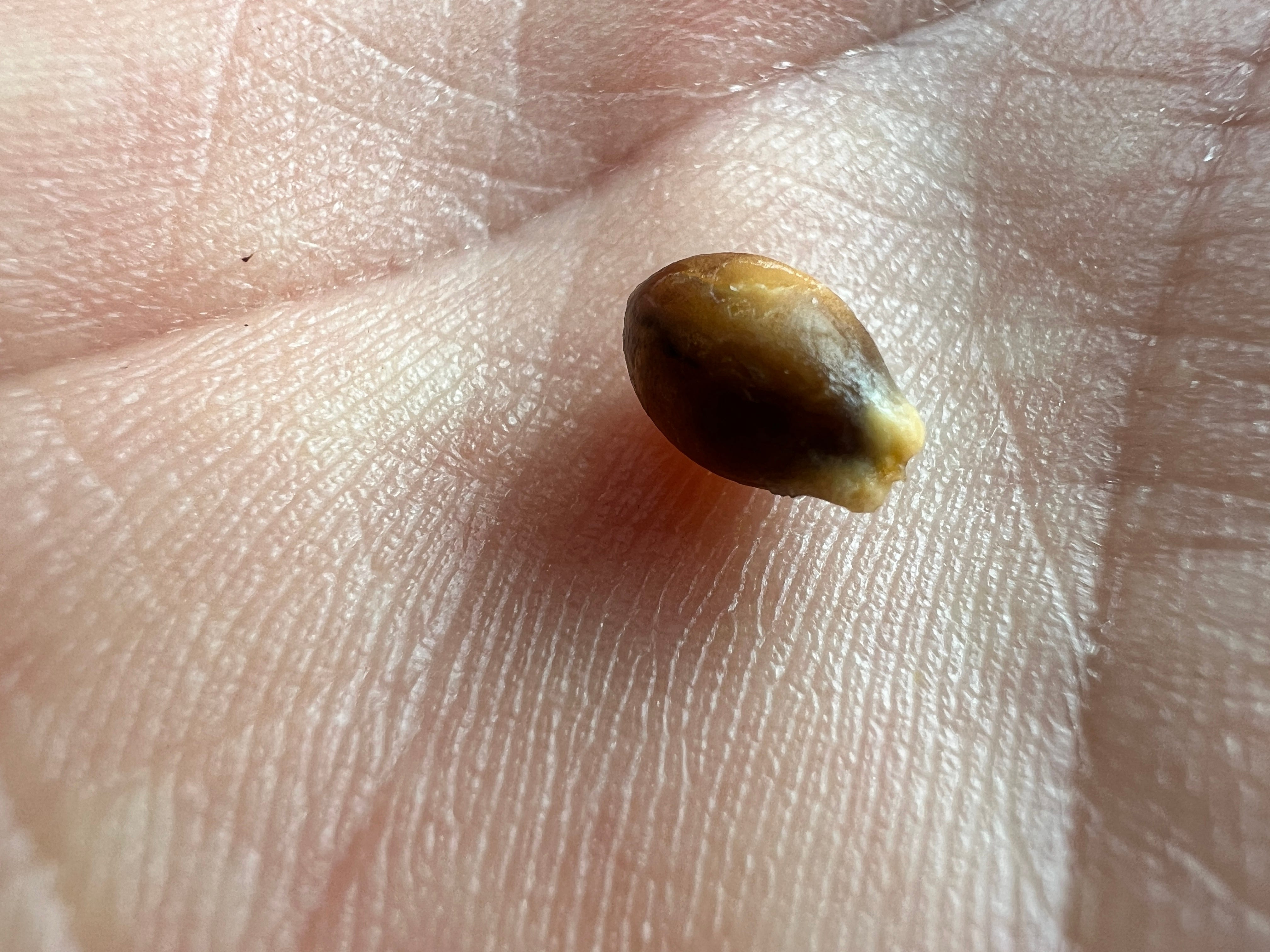
Thrushes seek out berries for their nutrient density. Ten berries will support them for 40,000 wingbeats, or one hour of flight. They will need to eat 1,000 Spicebush berries to complete their flight to their wintering grounds in South America. This means they need to find a few hundred berries at each stopover location.
Four hundred million Thrushes consume hundreds of billions of berries every fall. Each berry is a potential new shrub or tree. Most are dropped near the food source, but some get dispersed up to a few miles away. Part of the work of supporting birds is to create the conditions within our minds and on the land that allow these seeds to sprout and grow.
The energy of migration gets deposited in our yards twice a year. The birds disperse seeds by dropping them into the grass and slowly they work their way down to the soil, the freeze thaw cycle of winter plants them, and tender shoots emerge in the spring. This is the cycle trying to carry on: seeds to plants, to fruit, to birds, and back to seeds again. It seems remarkable that we are visited by these birds on their journey. Many pass over, but we encounter them as individuals. She flies from the Arctic to the Andes, covering a quarter of the way around the Earth. When you plant a shrub for her, something of you goes with her; you become part of her music resounding in the wilderness.
Viewed from far above
the Thrush’s fall journey draws a straight line
from Canada to South America.
Down on the ground, in the shady woods,
she wanders in search of sustenance.
Berries cling to branch,
Thrushes cling to life,
fruit fuels flight.
I sit among Spicebush,
the brilliant red berries with their fecund curves
attract the Thrush with her
graceful lines and dark eyes.
Her liquid call flows,
energy moving out,
energy moving in.
Stillness is the price of admission.
The desire to take the next step
turns inward,
becomes attention,
and opens the door.
What to plant for the September birds
Ripening with the mid-to-late September pulse (the fatty fruits, stripped fast):
Spicebush
Virginia Creeper
Sassafras
Flowering Dogwood
Black Gum (tupelo)
Wild grape (riverbank grape)
Pokeweed
Ripening late September and holding into fall and winter (lower fat, but there when nothing else is):
Nannyberry and Blackhaw
American Cranberrybush (Highbush Cranberry)
Winterberry (needs a male)
Eastern Red Cedar
Wahoo
American Bittersweet
Coralberry
Aronia
Poison Ivy, along a fence line, if you can stand it
Earlier than you might hope: Gray, Silky, and Roughleaf Dogwood, Arrowwood, Pagoda Dogwood, Elderberry, Black Cherry, Serviceberry — all good, all mostly gone before the thrushes peak. Dates are for central Illinois.
Whatever you need to do to ensure the quality of your writing remains so high, please do it. Just dont stop please.
Thank you for sharing your words and images with us. Every post is like a tiny jeweled box for me…opening to reveal the complexity and beauty of the “simple” things we are surrounded by, and reminding me to give deep respect to the beauty we experience every single day.